Daily handling
Faces are wiped, paws and bellies are handled, kittens are picked up and accustomed to gentle restraint.
Our kittens are raised slowly, deliberately and in the middle of our home. The goal is not simply to send home a beautiful kitten—it is to prepare a confident companion.
Queens are given a private birthing area in our bedroom, where the first weeks are quiet and closely supervised. We are present for births because neonatal kittens can need help quickly.
When kittens begin exploring and actively engaging with the world, their pen moves into the living room. They hear conversation, movies, cleaning, the vacuum and normal household commotion rather than growing up in an artificially silent environment.
They remain safely contained when they are too young to roam unsupervised, but they are part of the main household and receive frequent supervised time out as they mature.
Himalayans require lifelong coat and face care, so grooming familiarity starts before they ever meet their new family.
Faces are wiped, paws and bellies are handled, kittens are picked up and accustomed to gentle restraint.
Bathing begins once kittens are old enough to regulate body temperature. After six weeks, baths are repeated as needed and coat care becomes routine.
An electric toothbrush is used as a safe way to introduce the sound and vibration of clippers. Paws are handled before regular nail trims begin.
The vacuum runs, televisions play and kittens hear everyday sounds—including dogs and children—so normal home noise is not completely unfamiliar.
Weaning is not forced. Watered dry food is offered and kittens begin eating as they are ready. Non-clumping litter is introduced when mom stops stimulating and cleaning them, usually around the same developmental period when kittens begin investigating absolutely everything—including the litter.
The weeks from roughly 8–16 weeks are valuable social development time. Kittens learn bite inhibition, boundaries, play manners and how to communicate with other cats. We prefer them to stay through their vaccine series and alteration rather than sending them home at the earliest possible age.
Exact timing can change with the individual kitten and veterinary advice.
First veterinary examination and age-appropriate core vaccination.
Second visit and vaccine booster. Microchip identification is completed before the final vaccine visit so records can be matched to the individual kitten.
Final age-appropriate vaccines including rabies, then spay/neuter before the kitten leaves for their new home.
Each kitten leaves with extensive preparation, veterinary care and lifelong support behind them.
We do not have kittens available at this time. Families interested in a future Dusty Pawz kitten are welcome to submit an application to be considered for our wait list.
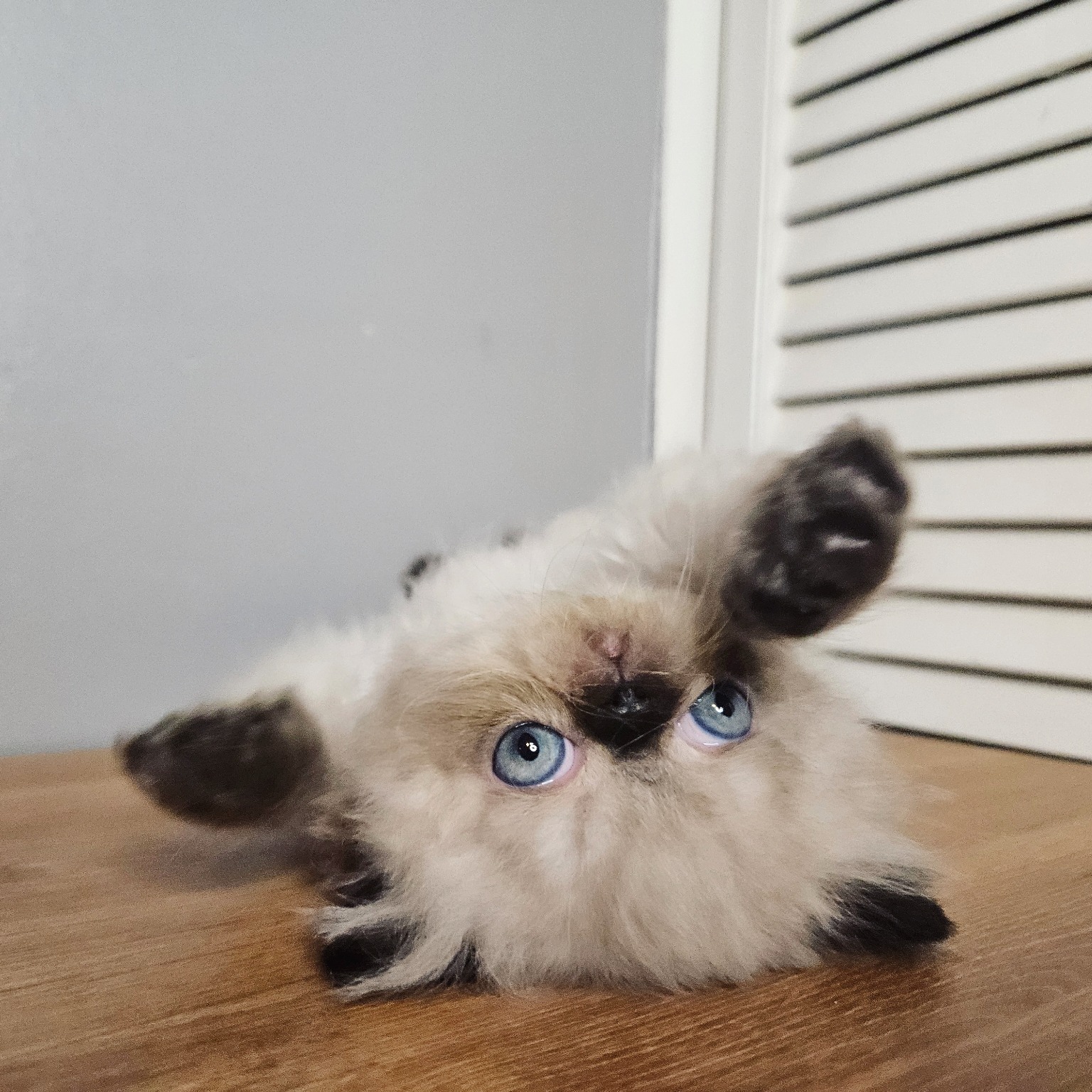
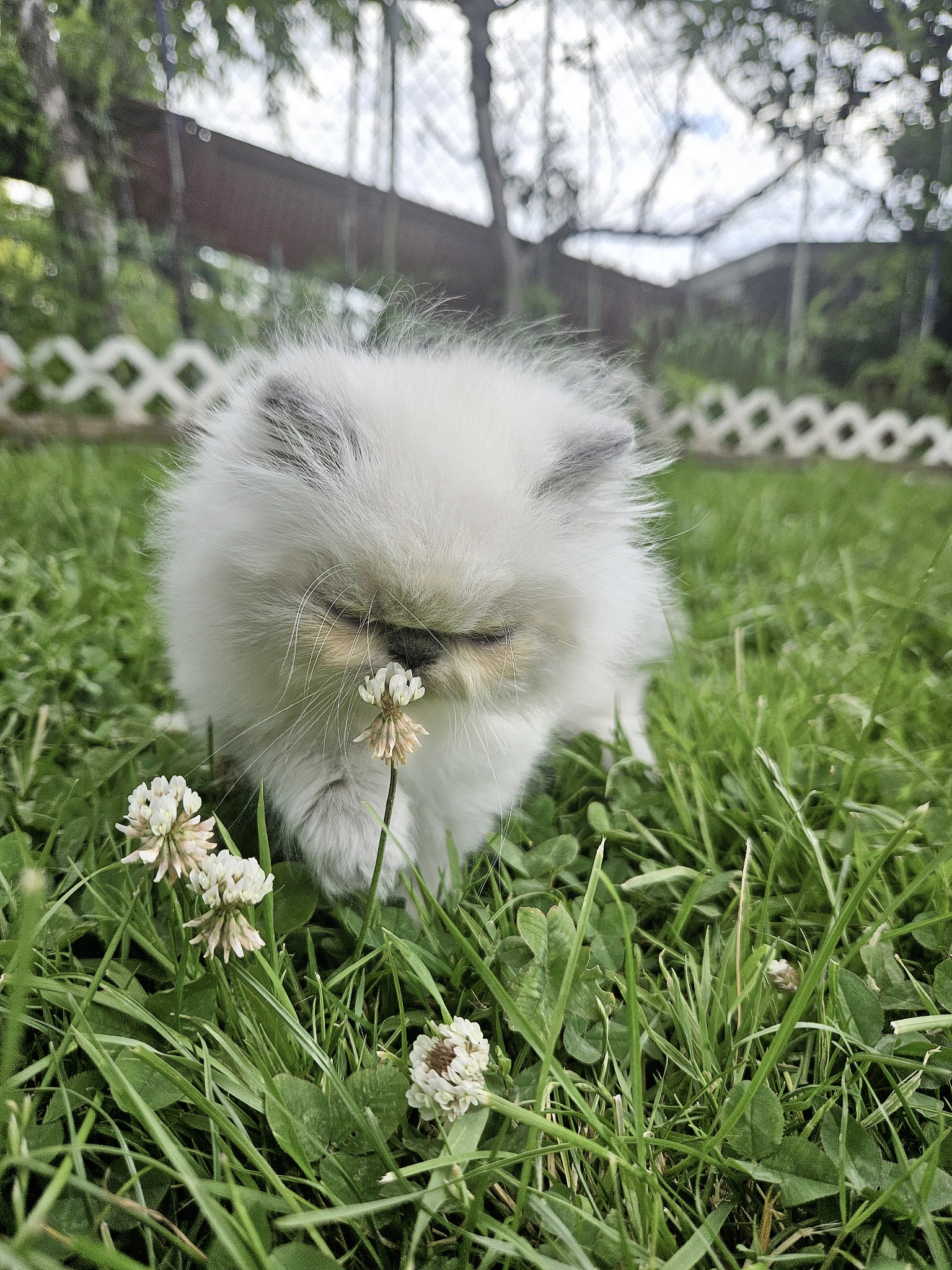
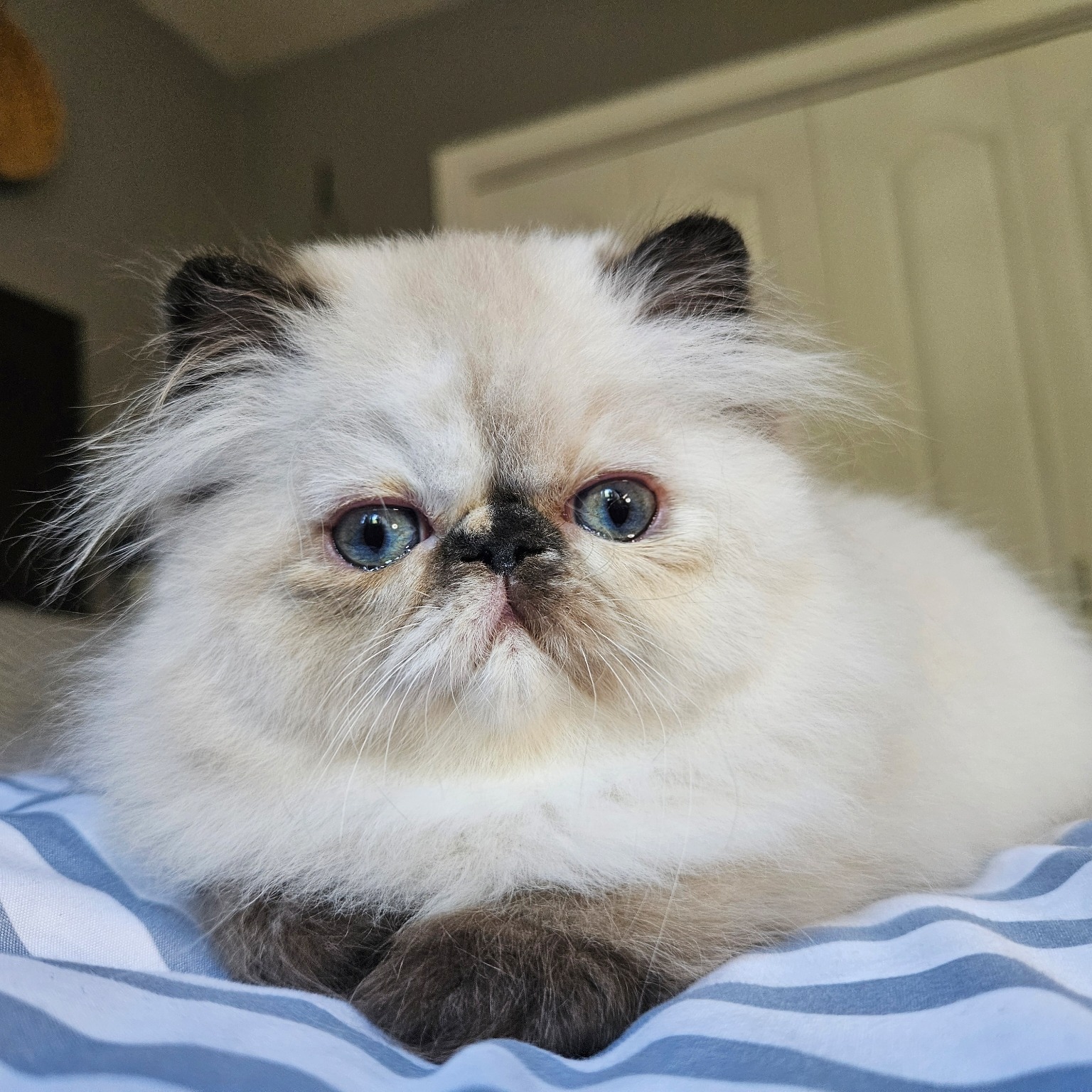
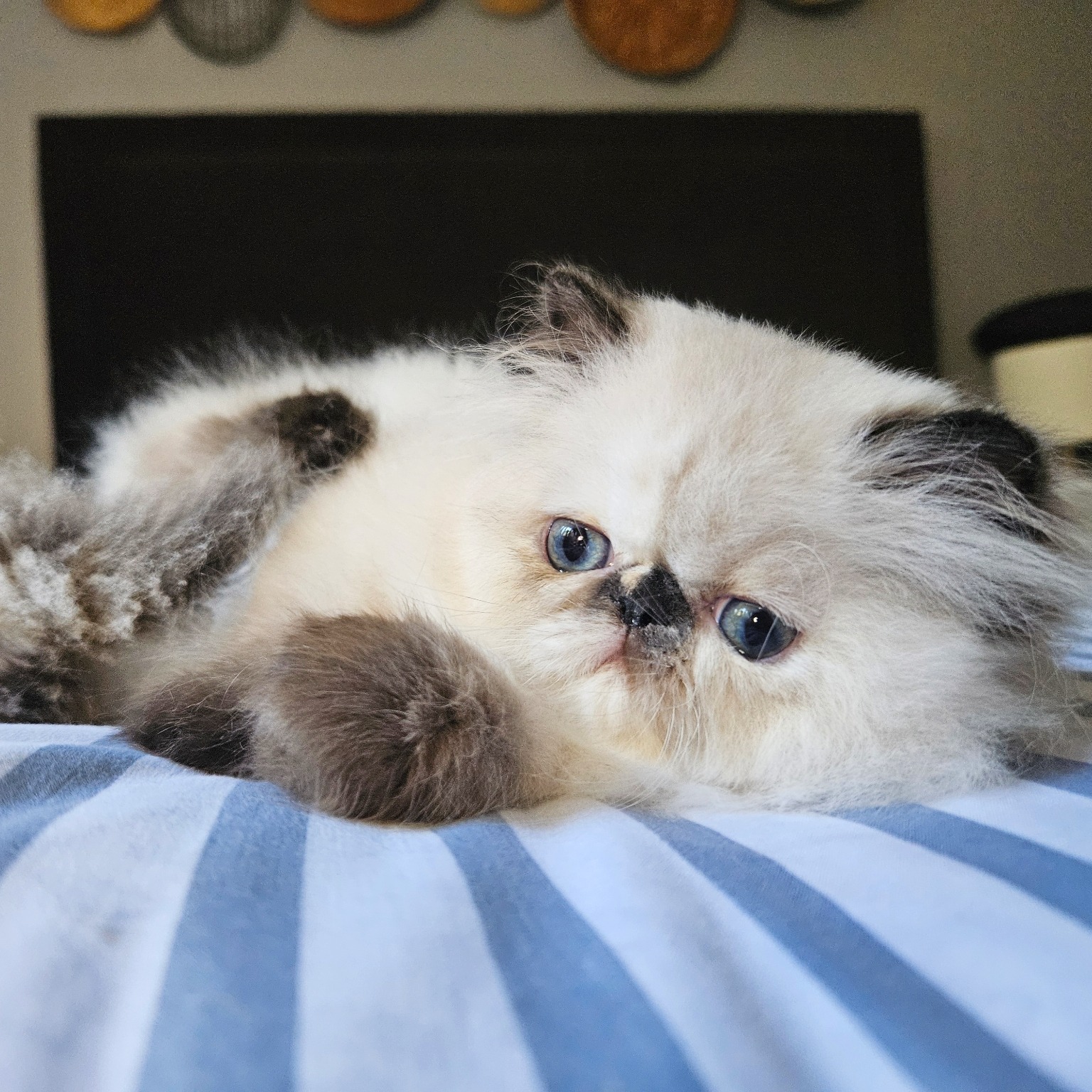
Join the Wait ListA glimpse at kittens raised here at home—from tiny beginnings to the fluffy little personalities our families fall in love with.
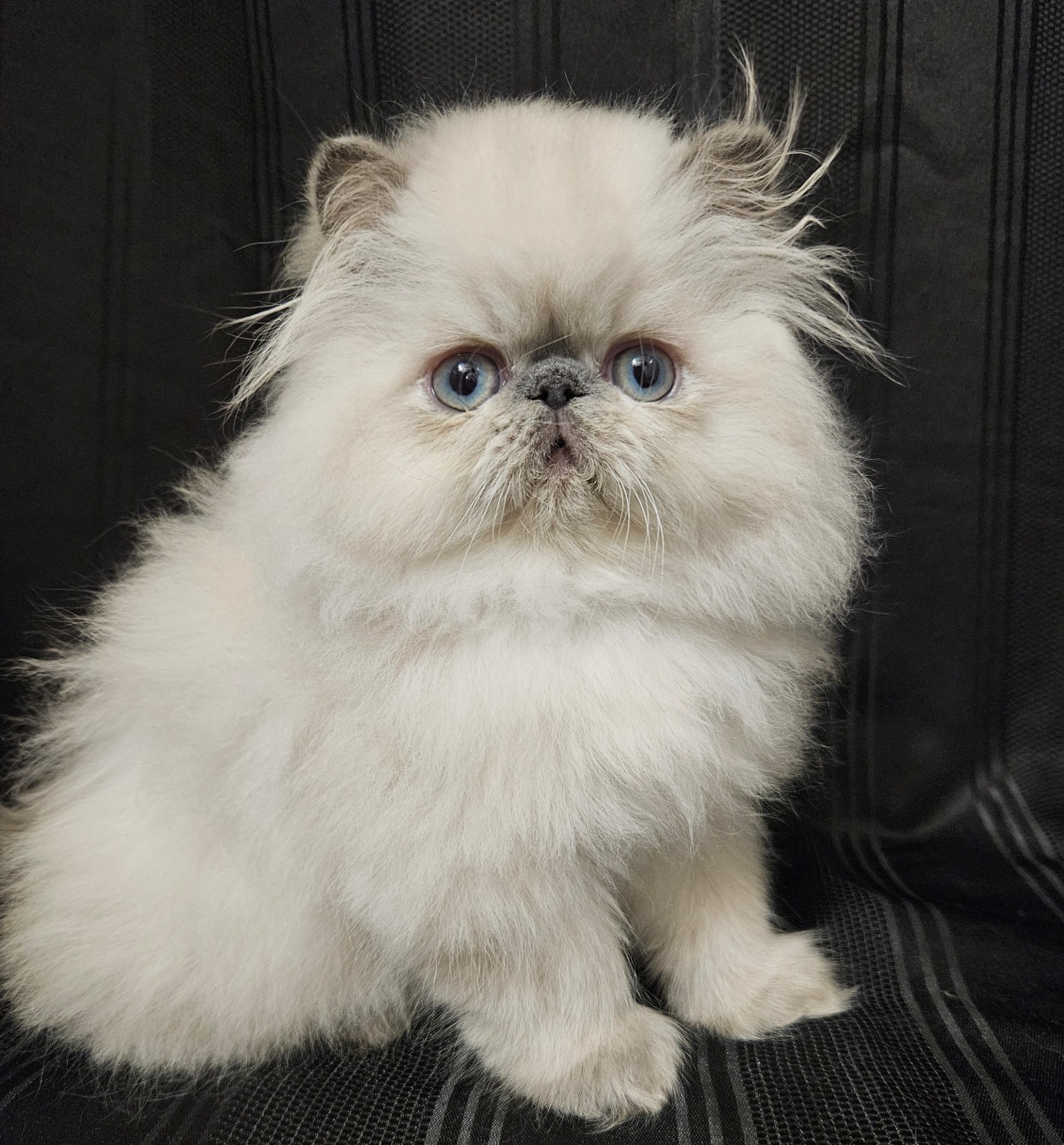
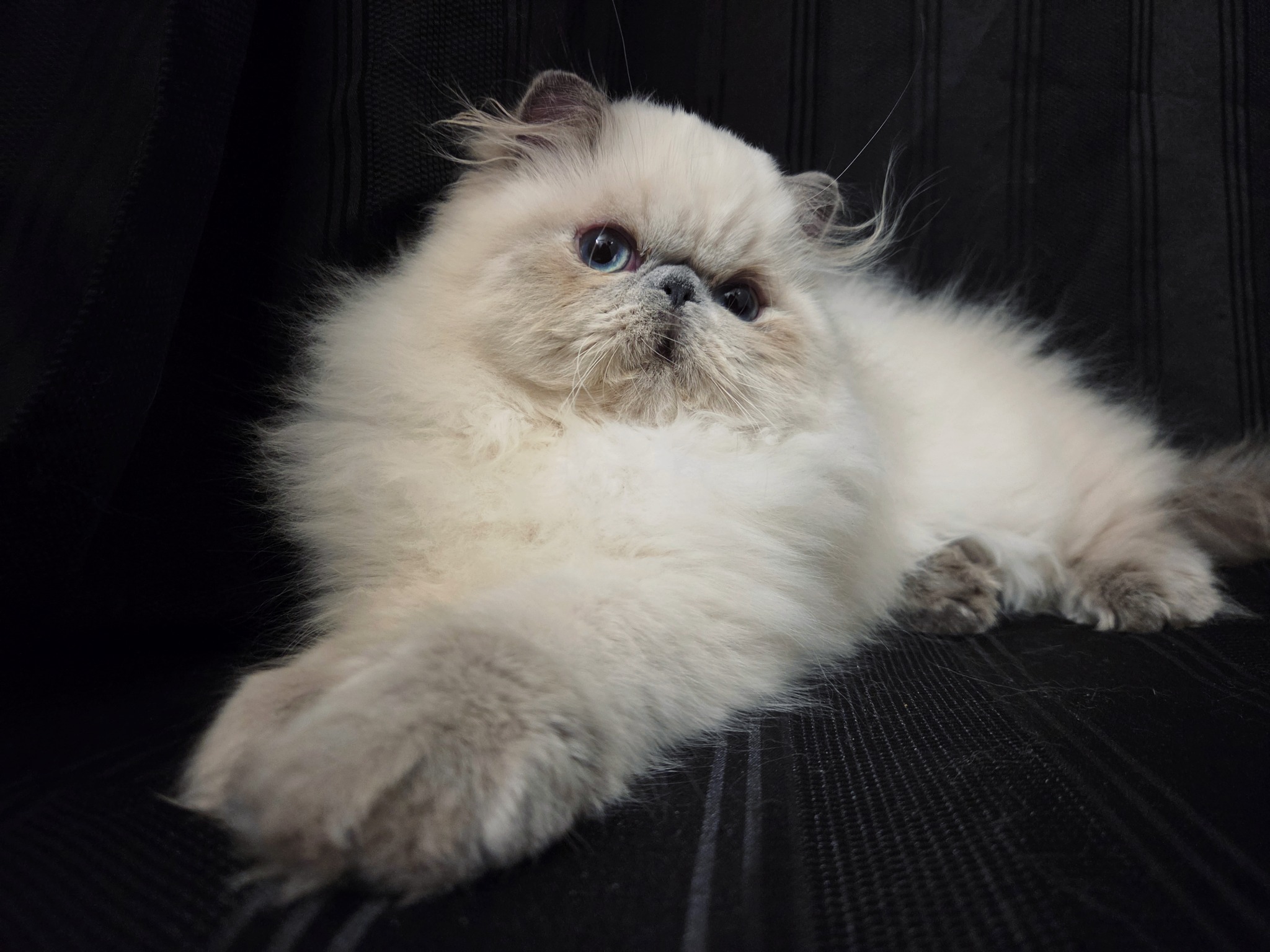
Families may tell us sex and colour preferences and we will keep them in mind, but kittens are ultimately matched with homes based heavily on temperament and compatibility. Mother Nature also has opinions about what colours and sexes arrive in a litter.
We do not consider placement final until kittens have been weaned, evaluated and seen by the veterinarian after their first vaccine visit.
Applications are reviewed before approval. Approved homes are generally considered in chronological order, while still prioritizing the right temperament match for the individual kitten.
Once a family accepts a specific kitten, the reservation terms and deposit are handled privately. Kittens are not held indefinitely without completing the reservation process.
Start the Application